The Art of Interior Photography: Techniques to Elevate Your Images
Understanding the Basics of Interior Photography
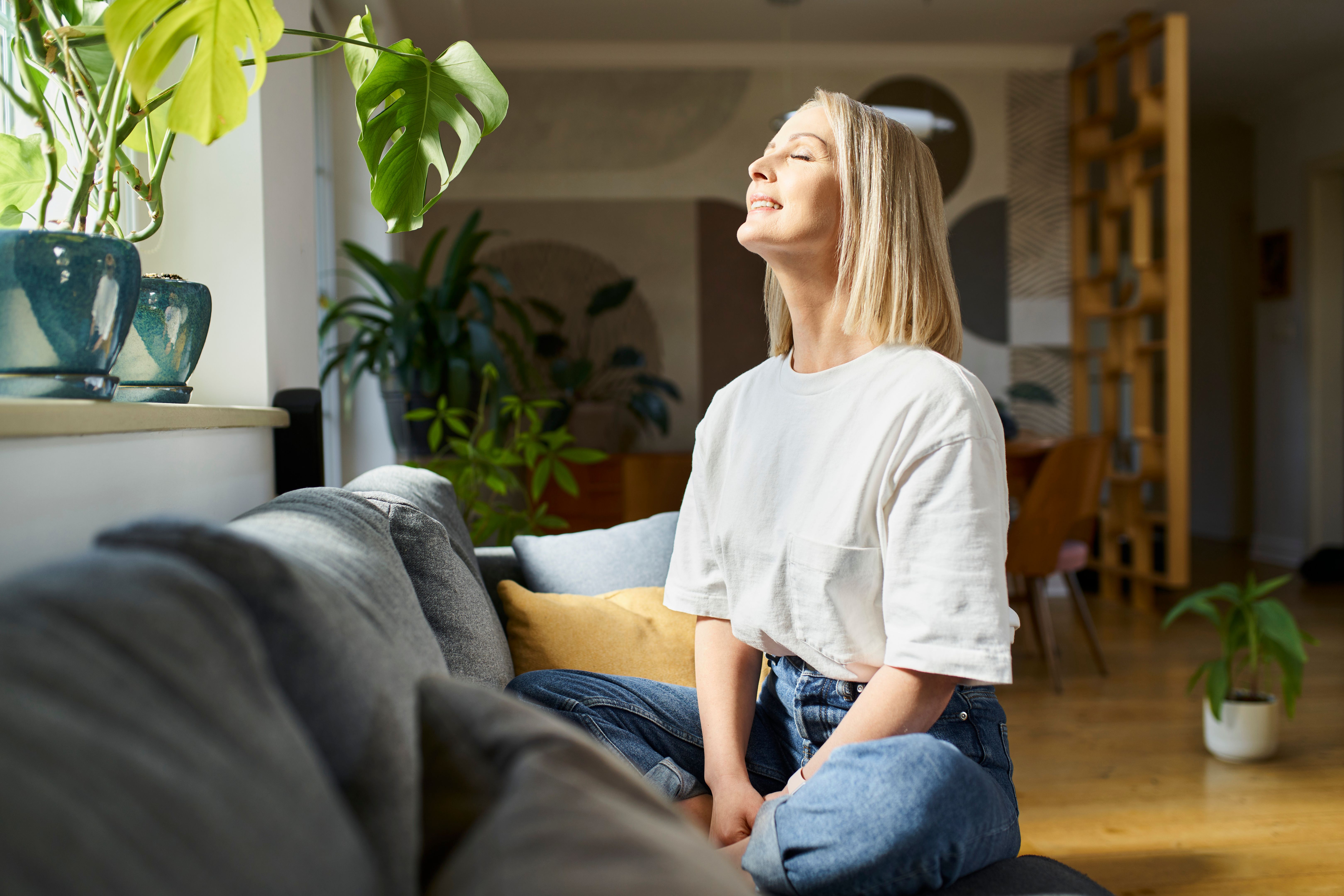
Interior photography is more than just capturing a room; it's about conveying the essence and atmosphere of a space. To achieve this, having a keen eye for detail and an understanding of composition is essential. Begin by evaluating the space you are photographing. Assess the natural light available and consider how it interacts with the room's elements.
Lighting is one of the most crucial aspects of interior photography. Natural light is preferable, as it provides a soft and authentic feel to images. Try to shoot during the golden hour when the light is at its best. If natural light is insufficient, use artificial lighting carefully to avoid harsh shadows.
Composition and Framing
A well-composed photograph can make all the difference in interior photography. Use the rule of thirds to create balanced and aesthetically pleasing images. This involves dividing your frame into a grid and placing key elements along these lines or at their intersections. Experiment with different angles and perspectives to find the most flattering representation of the space.
Consider using leading lines to draw the viewer's eye into the image. These lines can be architectural features like walls, windows, or furniture arrangements that guide the viewer through the space. Additionally, pay attention to symmetry and patterns, which can add a sense of order and interest to your photos.
Utilizing Equipment Effectively
While having advanced equipment is beneficial, it's not always necessary to produce stunning interior photographs. A DSLR or mirrorless camera with a wide-angle lens is ideal for capturing the full scope of a room. However, even a smartphone camera can produce high-quality images if used correctly.
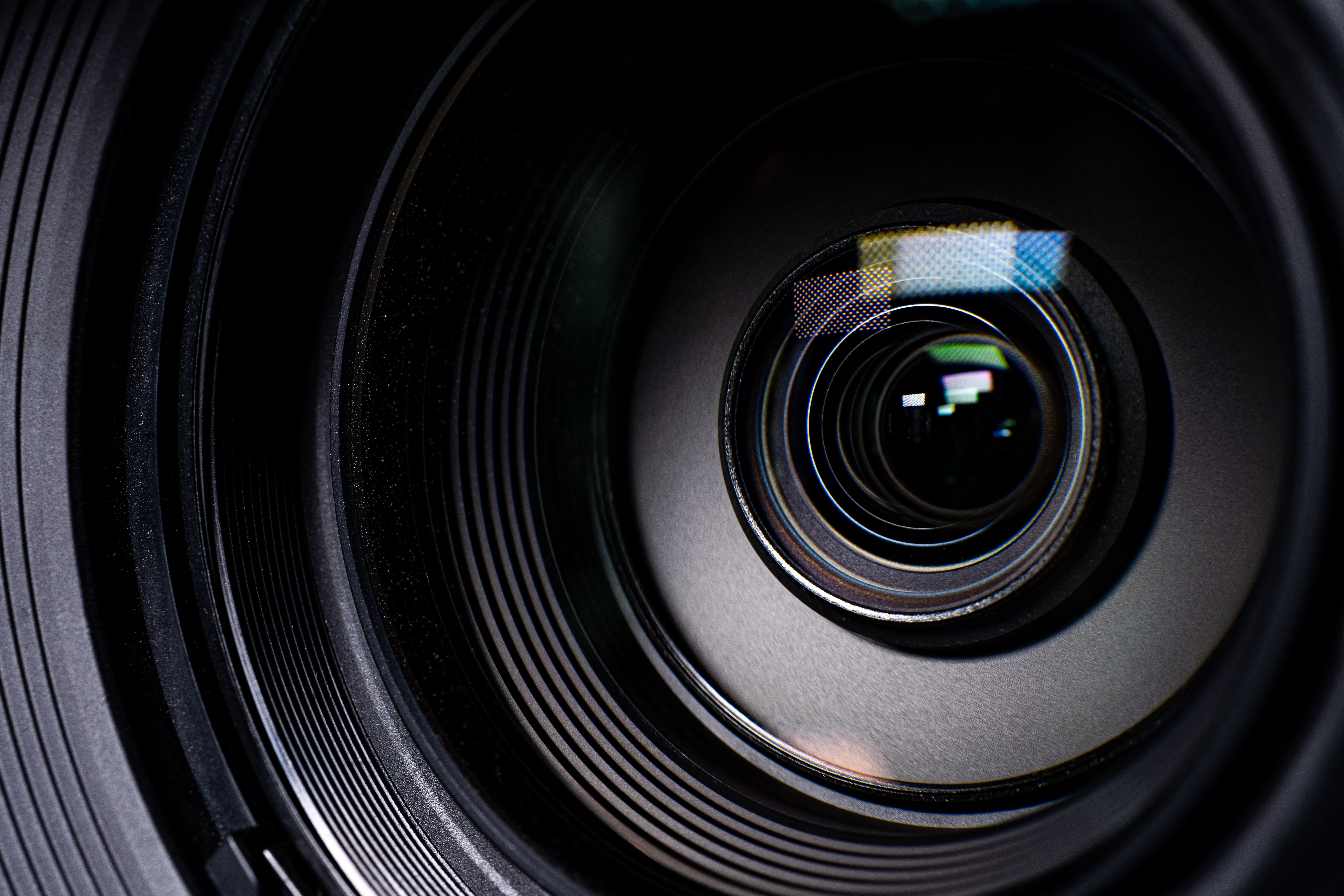
To enhance your images, consider using a tripod for stability and precision. This is particularly helpful in low-light situations where a slower shutter speed is necessary. A tripod also allows for consistent framing across multiple shots, which is essential when creating a cohesive series of images.
Post-Processing Techniques
Post-processing is an integral part of interior photography that can elevate your images from good to great. Software like Adobe Lightroom or Photoshop offers powerful tools to adjust lighting, color balance, and perspective corrections. Use these tools to enhance the natural beauty of the space without over-editing.
Focus on maintaining realistic colors and textures while improving the overall clarity of the image. Subtle adjustments can help highlight architectural details or emphasize the mood you wish to convey.

Styling and Staging
The way a space is styled can significantly impact the final photograph. Pay attention to clutter and ensure that each room is clean and well-organized before shooting. Adding or rearranging accessories like pillows, plants, or artwork can enhance visual interest and create a more inviting atmosphere.
Consider the story you want each image to tell. The placement of elements within a room should guide the viewer through a narrative, whether it's focusing on an inviting seating area or highlighting architectural features.
Mastering Final Touches
Before concluding your shoot, take time to review each image critically. Look for any distracting elements or areas that could benefit from slight adjustments. Sometimes, even moving an object slightly or adjusting window dressings can make a significant difference in achieving a polished look.
Finally, remember that practice makes perfect. Continuously experiment with different techniques and styles to develop your unique approach to interior photography. With dedication and creativity, you'll soon master the art of capturing stunning interior images.