The Art of Capturing Interiors: Essential Tips from Top Interior Photography Experts in Rome
The Importance of Light in Interior Photography
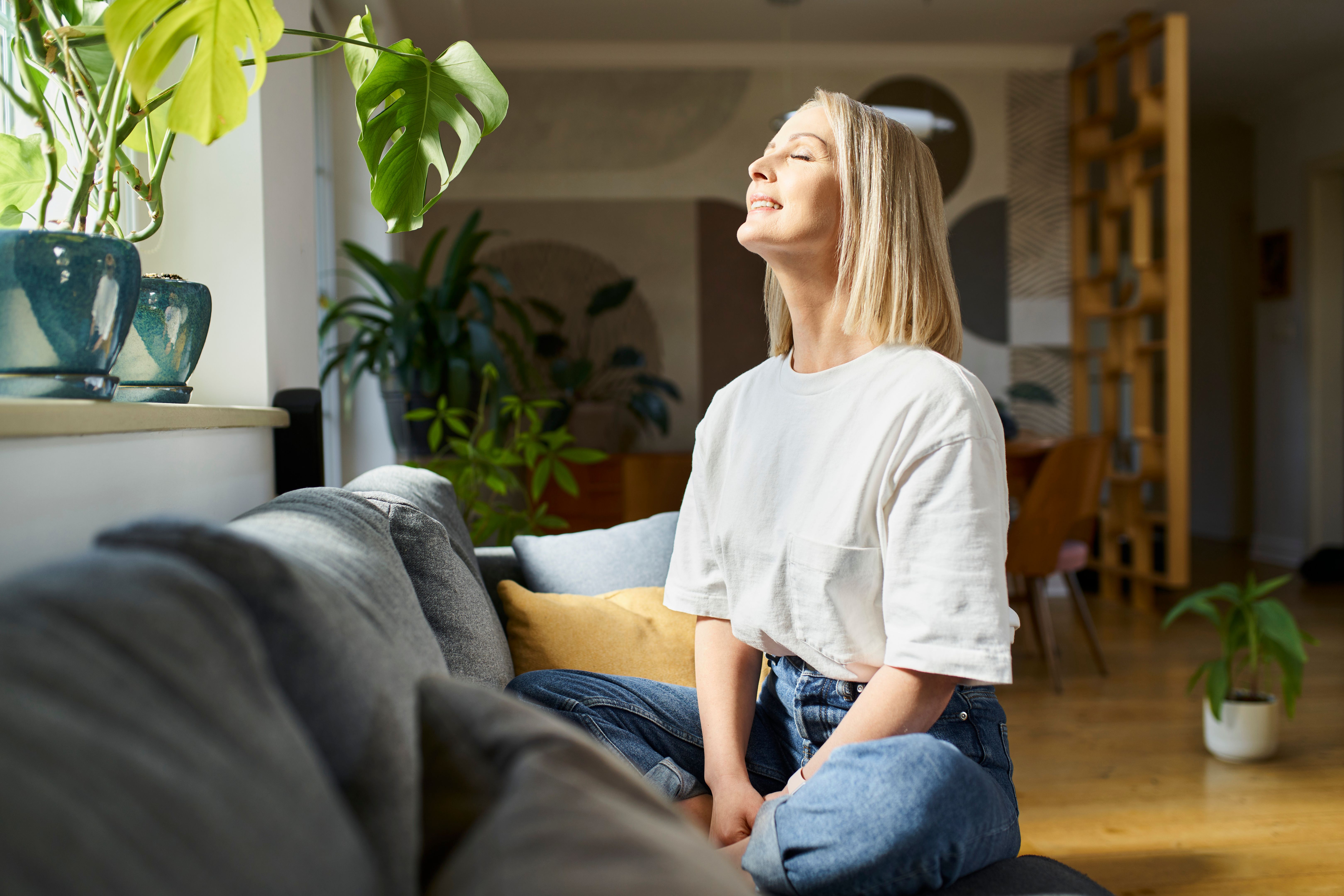
One of the foundational aspects of capturing stunning interior photographs is understanding the role of light. Natural light is often the most flattering, highlighting textures, colors, and the architectural nuances of a space. In Rome, where sunlight can vary dramatically throughout the day, it's essential to know when to shoot to capture that perfect glow.
Experts recommend shooting during the "golden hour," which occurs shortly after sunrise and before sunset. During these times, the light is softer and warmer, creating an inviting ambiance. Additionally, using sheer curtains can help diffuse harsh sunlight, ensuring a balanced exposure across the room.
If natural light is limited, strategically placed artificial lighting can help. Consider using lamps or LED panels to illuminate darker areas, maintaining a consistent color temperature for uniformity.
Choosing the Right Equipment
The right equipment can significantly impact the quality of your interior photographs. While a high-end camera can enhance detail and depth, it's not always necessary to achieve professional results. Many experts in Rome suggest that understanding how to use your current equipment effectively is just as important.
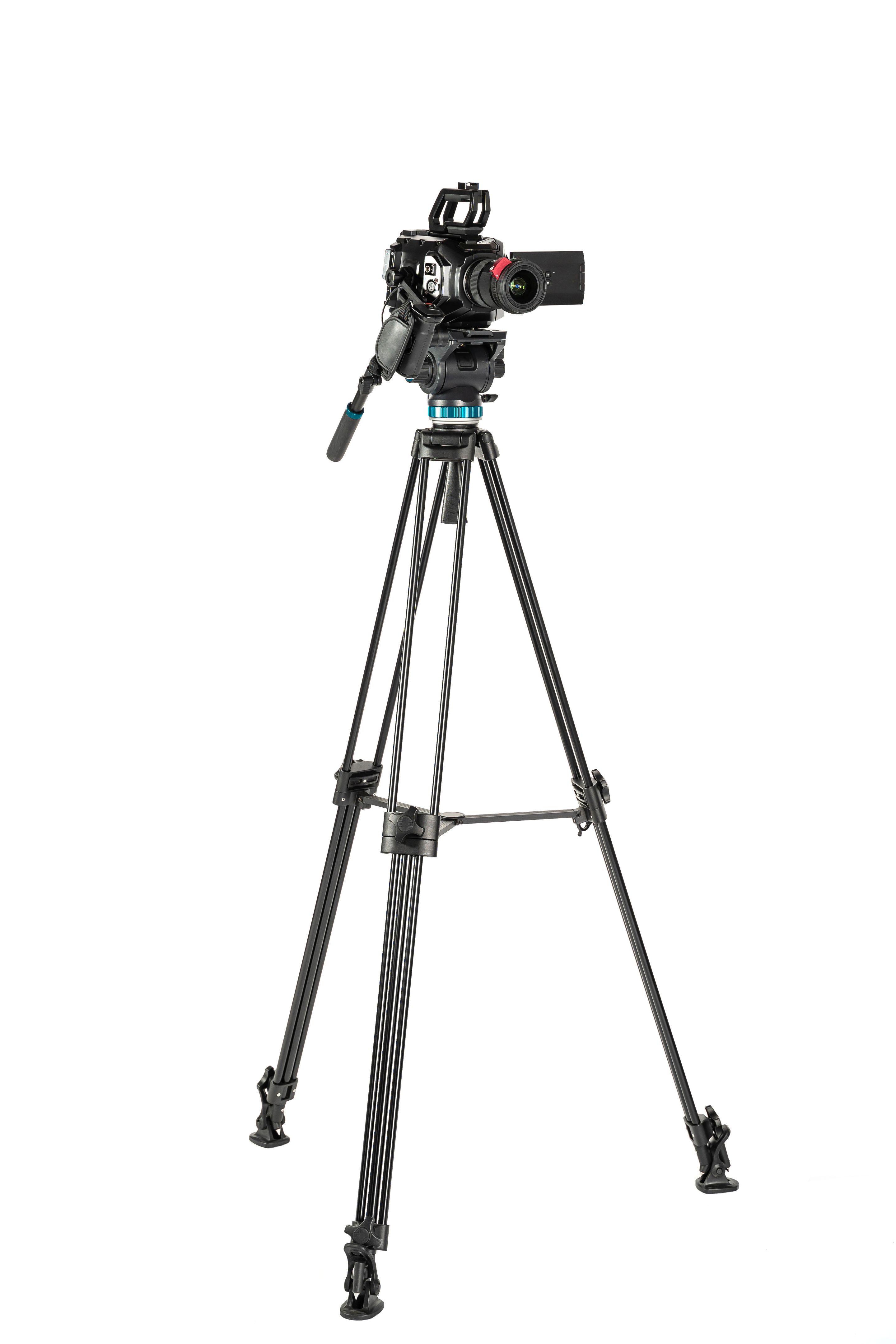
A wide-angle lens is crucial for interior photography, allowing you to capture more of the space in a single shot. This lens helps provide context and shows the relationship between different elements within a room. Additionally, using a tripod ensures stability, particularly in low-light conditions where longer exposure times are required.
Composition Techniques for Stunning Results
Composition plays a vital role in interior photography. The rule of thirds is a classic technique that helps create balanced images. By dividing your frame into thirds both horizontally and vertically, you can position key elements along these lines or at their intersections for a more dynamic composition.
Leading lines can also guide the viewer's eye through the photograph, creating a sense of depth and movement. Architectural features like staircases or ceiling beams can be used effectively to draw attention to focal points within the space.
Styling and Staging for Impact
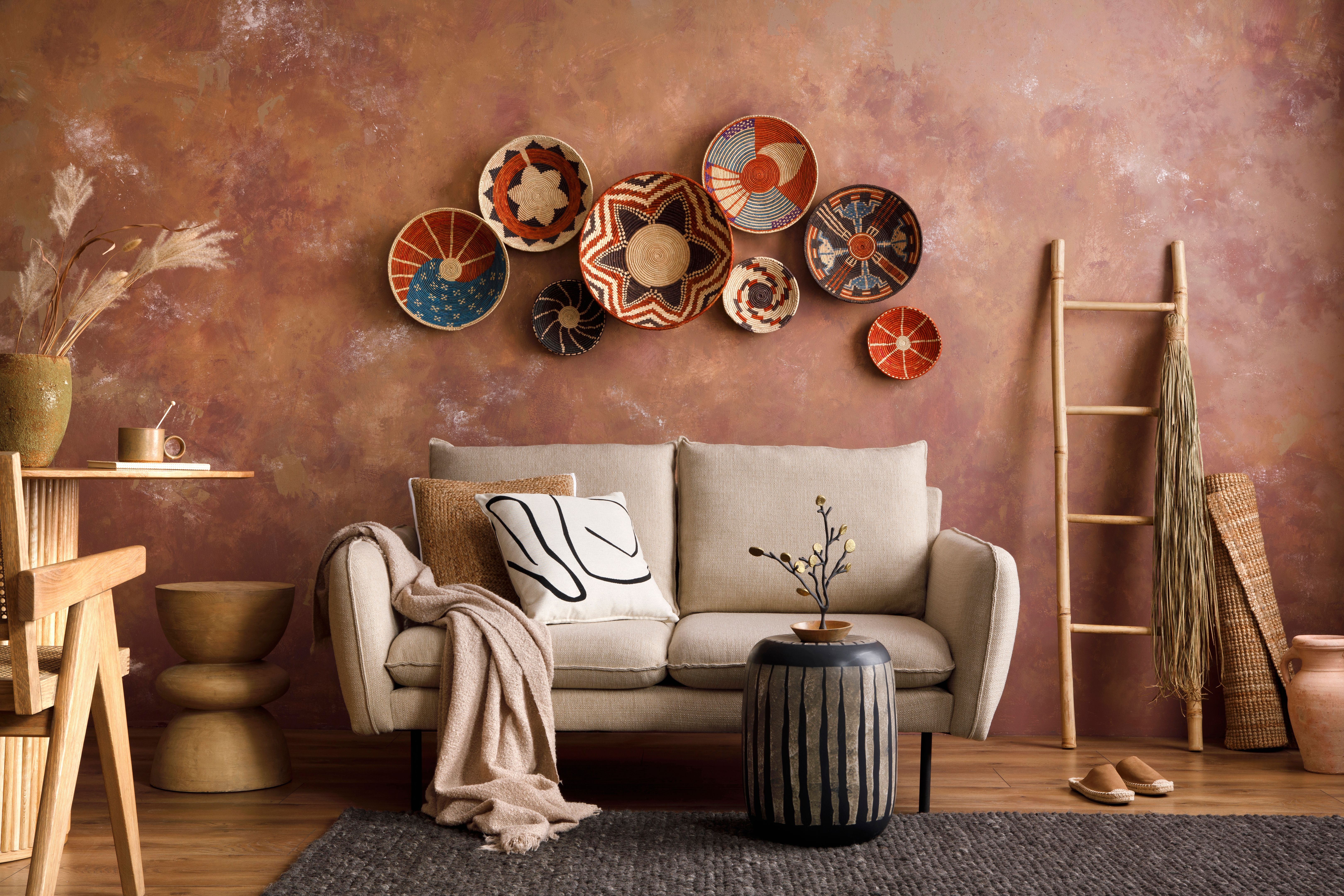
Styling and staging are essential components of interior photography. A well-styled room can convey a story and evoke emotion. In Rome, where historical and modern elements often coexist, a thoughtful arrangement can highlight these contrasts beautifully.
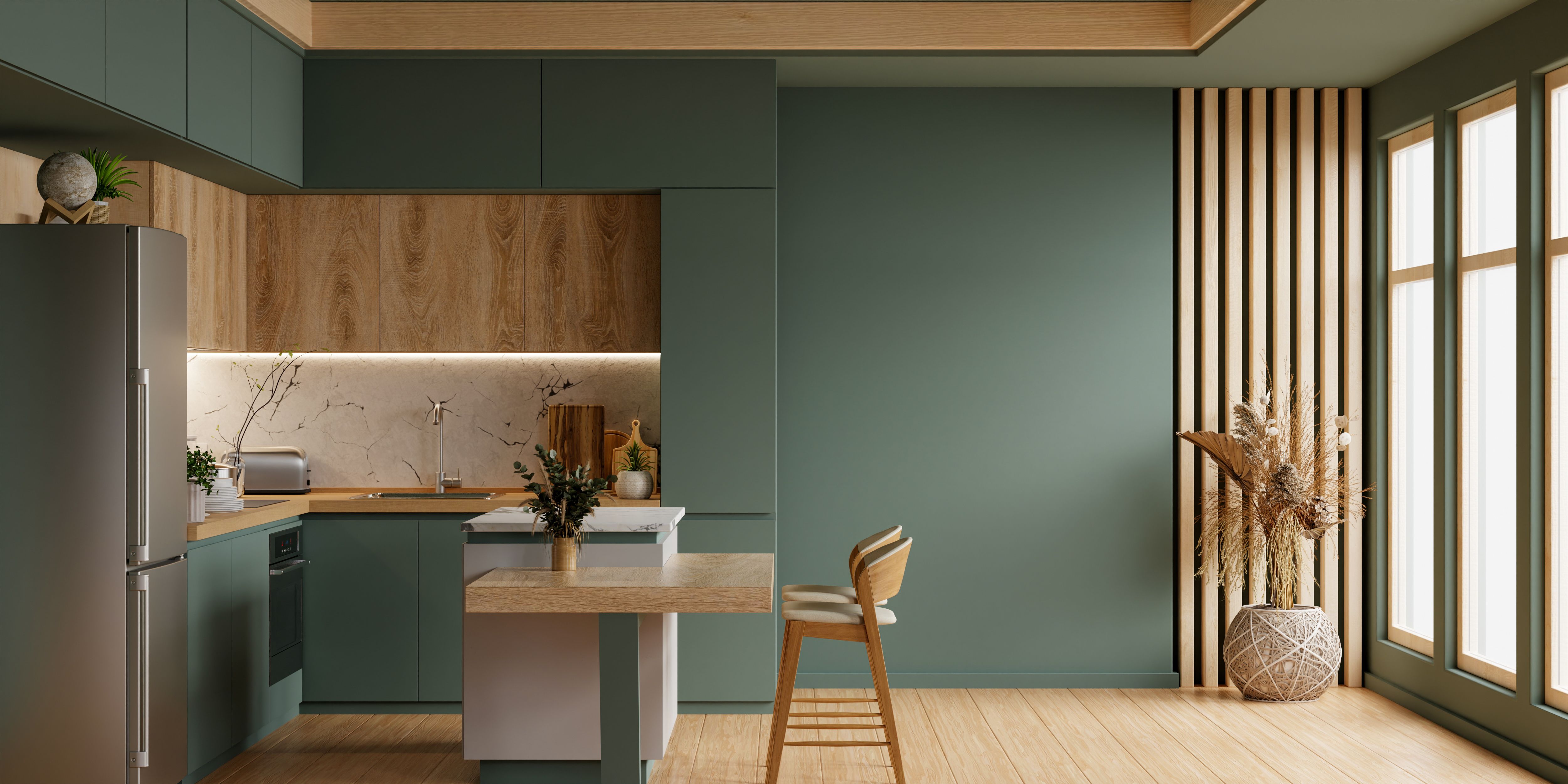
Experts suggest decluttering spaces to allow key features to stand out. Adding personal touches such as fresh flowers or a strategically placed book can inject personality into the scene. Remember, less is often more when it comes to styling.
Editing Techniques to Enhance Your Photos
Post-processing is an integral part of producing professional-quality interior photos. Editing software like Adobe Lightroom or Photoshop allows you to adjust exposure, contrast, and color balance to enhance your images further.
It's important to maintain a natural look while editing. Over-processing can lead to unrealistic results that may detract from the authenticity of the space. Experts recommend making subtle adjustments that highlight the room's best features while staying true to its character.
Conclusion: Finding Your Unique Style
Ultimately, capturing interiors beautifully involves more than just technical skills; it’s about finding your unique style as a photographer. Rome offers endless inspiration with its rich history and diverse architecture. By understanding the principles of light, composition, styling, and editing, you can develop a signature approach that reflects your vision.
As you hone your craft, remember that practice is key. Experimenting with different techniques will help you discover what works best for you, allowing you to capture interiors that resonate with viewers on a deeper level.